The Truth About Teacup Pigs Care Intelligence and the Great Domestication Debate
- Sep 16, 2025
- 4 min read

Teacup pigs have taken the pet world by storm, enchanting many with their small size and playful nature. However, owning one involves much more than just enjoying their cuteness. Before you decide to bring a teacup pig into your home, it is vital to understand their needs and the realities of their care. In this post, we will discuss the facts about teacup pigs, including their intelligence, how they can be domesticated, and how they differ from farm pigs.
What Are Teacup Pigs?
Teacup pigs are often labeled as miniature or micro pigs, creating a vision of a pet that fits comfortably in your bag. However, the term "teacup" can be misleading. These pigs are not a specific breed but rather a marketing term for various smaller pig breeds such as the Vietnamese pot-bellied pig and the Juliana pig.
Typically, teacup pigs are bred to be smaller than standard pigs, but they can still grow larger than anticipated. For example, many teacup pigs can weigh between 50 and 150 pounds at maturity. This weight is far from what many expect when they come across the term "teacup."
Current Trends in Teacup Pigs
The popularity of teacup pigs has surged, particularly among urban residents desiring unique pets. Social media platforms have amplified this trend, showcasing the adorable antics and playful characteristics of these pigs. Unfortunately, this trend has also resulted in irresponsible breeding practices, where many pigs are misrepresented concerning their size and care needs.
Purchasing from a reputable breeder is crucial. For instance, a responsible breeder should provide health records and be transparent about personality traits and potential size. It’s estimated that about 30% of teacup pig buyers experience unexpected growth in their pigs, leading to abandonment or neglect situations.
Are They Really Teacup Pigs?
The answer is often no. While some pigs may appear smaller, the "teacup" label usually describes pigs that will grow much larger than the name suggests. Many new owners are caught off guard when their "teacup" pig matures into a full-sized pig.
If you are thinking about adopting a pig, understanding the expected size and grooming requirements is essential. Always ask for size comparisons with the parents. Many pigs advertised as teacup may still mature closer to the average weight of a standard pet pig.
How to Care for Teacup Pigs
Caring for a teacup pig requires dedication and knowledge. Following these guidelines will help ensure your pig thrives in your home:
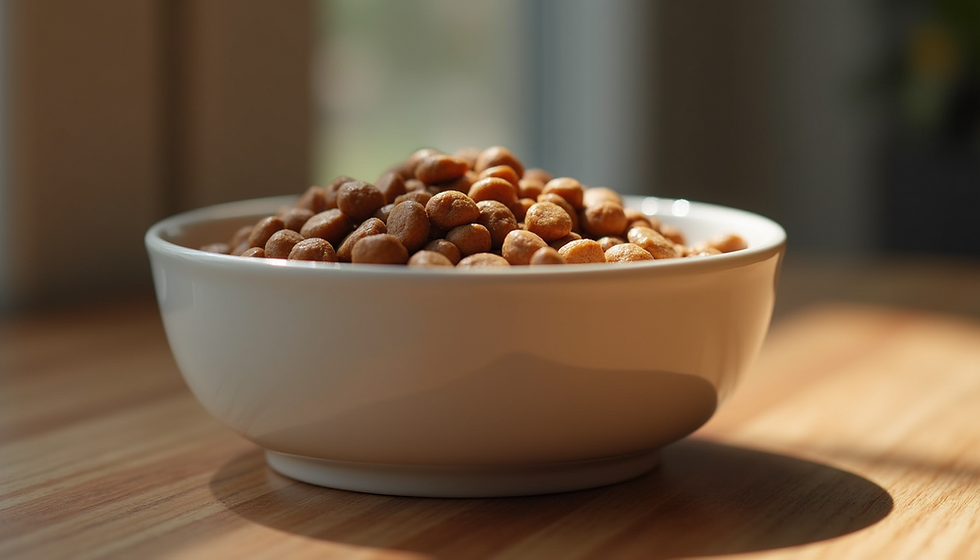
Diet: A proper diet is crucial for maintaining health. Teacup pigs should consume high-quality pig feed along with fresh fruits and vegetables. For example, a daily meal might include a quarter cup of specially formulated pig pellets with chopped carrots or apples. Avoid human junk food, which can lead to obesity—a major concern as pigs can gain too much weight quickly.
Space: Even though teacup pigs are small, they still need room to roam. Ideally, you should provide an outdoor, secure area with plenty of room for exploration. If you live indoors, design a pig-friendly space with ample exercise opportunities, such as pig-proof toy areas or indoor obstacle courses.
Socialization: Pigs are social creatures. They thrive on daily interaction. Consider spending at least 30 minutes each day just playing with your pig. Additionally, adopting another pig can create a healthier environment for them, as being alone can lead to stress.
Veterinary Care: It's crucial to schedule regular vet visits with someone experienced in pig care. Pigs are susceptible to issues like obesity, skin problems, and respiratory conditions. Regular check-ups can prevent health complications, ensuring longevity.
Training: Pigs are intelligent and can be trained like dogs. Using positive reinforcement, like treats or praises, helps them learn commands and even use a litter box. This could include simple commands like “come” or “sit” that can enhance your relationship.
Can They Be Domesticated?
Yes, teacup pigs can be domesticated, but it takes patience and commitment. Their intelligence makes them trainable and loving companions. However, their strong instincts can pose challenges for new pet owners. For example, a teacup pig may dig, root, or chew on furniture if bored or stressed.
Understanding their natural behaviors and providing adequate outlets for their energy, such as interactive toys or a digging box, is essential for fostering a well-adjusted pet.
Are They Smart?
Absolutely! Research indicates that pigs possess problem-solving skills comparable to dogs. For instance, tests have shown that pigs can navigate mazes and even learn simple tricks. A study by the University of Cambridge found that pigs can remember their training commands for years, showcasing their intelligence and capacity for learning.
However, their intelligence means they need mental engagement daily. If pigs lack stimulation, they can display undesirable behaviors, such as chewing furniture or excessive whining. This can be managed by offering them toys, puzzle feeders, and other enriching activities.
Farm Pigs vs. Home Pigs
It’s important to distinguish between farm pigs and pet pigs. Farm pigs are bred for size and meat, often reaching several hundred pounds and requiring significant space. They are not suited for household living conditions.
Conversely, home pigs, particularly teacup pigs, are bred for companionship and usually have a smaller size range. Still, they can grow larger than expected and need dedicated care. Understanding these differences will prepare you for the commitments involved in pig ownership.
Embracing Teacup Pigs Responsibly
Owning a teacup pig can be a delightful experience filled with love and joy. However, potential owners must recognize the unique responsibilities associated with their care. By learning about their dietary needs, behavioral characteristics, and health requirements, you can ensure that your teacup pig thrives as a cherished member of your family. With proper attention and understanding, teacup pigs can bring immense joy and companionship to your life.

Comments